
Signs of ADHD in children, and when to ask for an assessment
A calm guide for parents to the signs of ADHD in children and teenagers, how to tell them from typical behaviour, and when it may be time to ask for an assessment.
Written by the MOAI Health team
TL;DR
- Many children are restless or easily distracted at times, so one or two signs do not mean a child has ADHD.
- ADHD is considered when the signs are persistent, show up in more than one place, such as home and school, and affect daily life.
- The signs fall into two groups: difficulty paying attention, and high energy and acting on impulse. Some children have mostly one group.
- ADHD can look different in teenagers and in girls, and quiet, dreamy children are sometimes missed.
- A careful assessment, not a checklist, is how a clinician tells ADHD apart from other explanations.
If your child’s school has mentioned focus or fidgeting more than once, or you have noticed a pattern at home, you may be wondering about the signs of ADHD in children. This guide describes what clinicians look for, how it can differ with age, and when it may be time to ask for an assessment.
What are the signs of ADHD in children?
The signs of ADHD fall into two groups: difficulty with attention, and high energy with acting on impulse. The NHS says the signs usually start before the age of 12.
A child who finds it hard to pay attention may:
- be easily distracted
- find it hard to listen to what people are saying or to follow instructions
- forget everyday tasks, like brushing their teeth or putting on socks
A child who has high energy and acts on impulse may:
- fidget or tap their hands and feet
- talk noisily
- feel restless, or get up and move around when they are meant to sit still
- find it hard to wait their turn, or interrupt conversations
The NHS says most children and young people with ADHD have signs from both groups, while some show only one.
How can ADHD look different in teenagers?
In teenagers, the signs may become clearer as school and daily life ask more of them. The Royal College of Psychiatrists says difficulties may become clearer in adolescence as the demands placed on young people increase.
At secondary school there are more teachers, more rooms to find, longer pieces of work and more to manage independently. A young person who coped well with the structure of primary school may find these changes much harder.
The same guidance notes that children and young people with ADHD can sometimes seem disruptive or rude in places like the classroom, but they are probably not doing it on purpose. It is important that they get the support and understanding they need, and are not punished.
Are the signs of ADHD different in girls?
Yes, the signs can look different in girls, and ADHD may be missed because girls more often have the inattentive type, which is quieter and less disruptive. The NHS says ADHD is thought to be recognised less often in girls than in boys for this reason.
Researchers writing in The Conversation describe girls as more likely to have mainly inattentive and internal signs, and say their difficulties may be put down to anxiety or mood. They also note that daydreaming, talkativeness and restlessness can all be signs of ADHD.
The same can be true for any quiet child. Clinicians describe children who are quiet and dreamy rather than disruptive as more likely to be missed, so it is worth raising a concern even if your child has never caused any trouble.
Is it ADHD or something else?
It may be something else, because many things can look like ADHD, and a careful assessment is how they are told apart. The NHS says many children are easily distracted, impulsive and full of energy, particularly under the age of 5, and that this does not mean they have ADHD. It could be a sign of being tired, anxious or stressed.
NICE says the signs of ADHD can overlap with other conditions, and that ADHD can also sit alongside them. In children, common coexisting conditions include difficulties with mood, learning, language and anxiety. NHS inform adds that there is no single test or checklist that can confirm whether a child has ADHD, so a full assessment of their mental health is needed. The Mayo Clinic also notes that a child who has problems at school but gets along well at home or with friends may have a different concern.
If your child seems very low, very anxious or distressed, please tell their GP or school as well. MOAI Health is not an emergency service. If you or someone else is in immediate danger, call 999 or go to A&E. For urgent mental health help call NHS 111 and choose the mental health option, or call Samaritans free on 116 123. Under 19? Call Childline on 0800 1111. More information is on our crisis support page.
When should you ask for an assessment?
It may be time to ask for an assessment when the signs have been there for a while, show up in more than one setting and affect your child’s learning, friendships or family life. NICE says both of the main diagnostic systems require signs to be present in several settings, such as school, home life and leisure activities.

You might find it helpful to ask yourself:
- Have these signs been there for months, rather than a few weeks?
- Do the teacher and the family both notice them?
- Do they affect schoolwork, friendships or time at home?
- Are they more than you would expect for a child of this age?
If you would like a starting point, our parent checklist is a screening tool, not a diagnostic tool. It may help you put what you have noticed into words before you talk to anyone.
NICE advises against screening every child for ADHD in schools, so concerns usually begin with a parent or a teacher noticing a pattern. On the NHS route, the NHS suggests talking to your child’s teacher first, who will usually involve the school’s special educational needs co-ordinator (SENCO), and then a GP if you are still worried. The NHS says waiting times vary and may be several months or years, and it describes Right to Choose as a way some families find a clinic with a shorter list.
Our child ADHD assessment step by step
A child ADHD assessment is a careful conversation about your child’s development, home life and school life, with a child and adolescent psychiatrist. The NHS says the specialist will usually contact a SENCO or teacher, or both, to see how your child is doing at school.
At MOAI Health, our clinicians will guide you through each step. It starts with a free call, where you can tell us what you have been experiencing and ask any questions. We’ll listen to your concerns and talk through which assessment may be right for your child. Every fee can be found on our fees page.
After the call, we ask for questionnaires from you, your child and their school. The appointment is with your child and you. The psychiatrist goes through your child’s early development and how they get on at home and at school, using a structured ADHD interview made for young people.
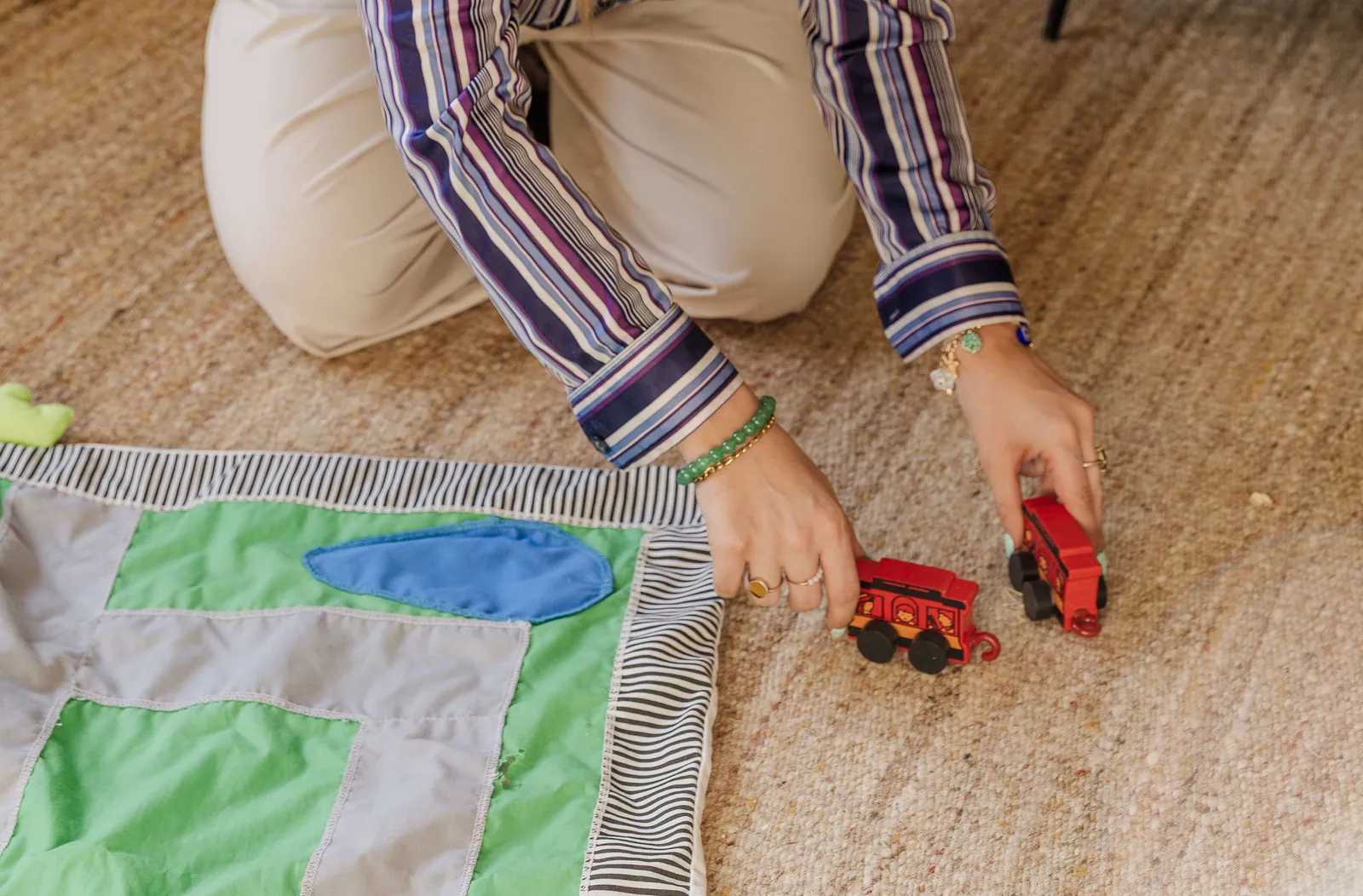
Children are welcome to bring toys or games, and it is fine for them to get up and move around. Teenagers are assessed in the same way, with more of the conversation directed to them, and they can say what they would like to share.
At the end, the psychiatrist may share their first thoughts. Before the report is finalised, they talk the findings through with at least one other clinician, so the outcome does not rest on one person’s view. You’ll receive a clear written report and a plan, whatever the outcome.
If ADHD is not the answer, the report explains what the psychiatrist did find and what to do next. If it is, the report sets out what may help, which can include support at school, practical changes at home, therapy, occupational therapy or medication. Whether medication is right is always the psychiatrist’s decision, made with you after an assessment.
Supporting your child at home and school
Whether or not your child has a diagnosis, there are practical things that may help while you wait or decide what to do. The NHS suggests discussing with a SENCO what adjustments or support may help at home and at school.
Its examples include:
- splitting up tasks, like homework or sitting down to eat, into 15 to 20 minute slots with a break in between
- giving clear and simple instructions one at a time, in a calm voice
- writing a to-do list and putting it somewhere visible
- giving praise when your child does well, or making a reward chart
The NHS also suggests regular physical activity your child enjoys, regular sleep and regular mealtimes. It adds that the right support depends on your child’s signs, and that not every child needs help from a health professional.
Next steps
You know your child best, and a worry that keeps coming back is worth taking seriously. If you would like to understand more, our child ADHD assessment page sets out each step, so you can decide what may be right for your family.
Frequently asked questions
What are the first signs of ADHD in children?
The NHS describes three broad areas: finding it hard to pay attention, having high energy levels and acting on impulse. A child may be easily distracted, forget everyday tasks, fidget, talk noisily or find it hard to wait their turn. Most children have some of these at times, so what matters is how long they have been there and how much they affect daily life.
At what age do the signs of ADHD show up?
The signs usually start before the age of 12, and they are often noticed in the early school years. They can become more noticeable when a child's circumstances change, for example when they start school or move up to secondary school, because the demands on them grow.
Can a child have ADHD without being hyperactive?
Yes. Some children mainly have difficulty with attention and are not especially overactive or impulsive. They may seem quiet or dreamy, so the signs can be missed. The NHS says ADHD is thought to be recognised less often in girls, partly because girls more commonly have the inattentive type.
How do I know if it is ADHD or typical childhood behaviour?
Many children are distractible or energetic, especially when they are young, and tiredness, worry or stress can look similar. ADHD is considered when the signs are persistent, appear in more than one setting such as home and school, and affect learning, friendships or family life. A full assessment is the way to tell them apart.
Who can diagnose ADHD in a child?
The NHS says an assessment is carried out by one or more ADHD specialists, such as a paediatrician or a child and adolescent psychiatrist. They usually talk with you and your child, ask about development and family life, and contact the school to see how your child is doing there.
How do I get my child assessed for ADHD?
On the NHS route, you can start by talking to your child's teacher or the school's special educational needs co-ordinator, and then a GP if you are still worried. If you would like to talk through a private assessment, you can book a free call with MOAI Health to discuss which assessment may be right for your child.
Keep reading
- How ADHD diagnosis works in the UK, step by step A plain, step by step guide to getting an ADHD diagnosis in the UK, for adults and for parents: who can diagnose, what they look for, and the routes to an assessment.
- NHS or private ADHD assessment? Waiting lists, Right to Choose and what each route involves A fair, plain comparison of the three routes to an ADHD assessment in England: a GP referral to an NHS service, Right to Choose and a private assessment, and how they differ on waiting, cost and prescribing.
- Executive dysfunction: why everyday tasks can feel so hard A calm guide to executive dysfunction: what executive function is, why starting, organising and finishing tasks can feel so hard with ADHD, and what may help.
Not sure which assessment may be right for you? Book a free call.
A free 15-minute phone call with one of our senior clinicians. We'll listen to what you've been experiencing, answer your questions and talk through your options with you, with no commitment.