
What happens in an ADHD assessment? A walk through, from first call to report
A plain walk through of an ADHD assessment for adults, from the first call and questionnaires to the structured interview, the written report and what happens next.
Written by the MOAI Health team

TL;DR
- An ADHD assessment is a long, structured conversation with a specialist about your life now and when you were a child.
- No questionnaire or online self-check can diagnose ADHD on its own. The interview is what matters.
- In the UK, adult assessments usually add up to at least two hours, sometimes across more than one appointment.
- Input from someone who knew you as a child helps, but it is not essential.
- You should receive a written report and recommended next steps, whatever the outcome.
If you’ve been wondering about ADHD for some time, it may help to know what the assessment involves. This guide sets out what happens in an ADHD assessment, step by step, from the first call to the written report. Knowing what to expect may make it easier to prepare.
What happens in an ADHD assessment?
An ADHD assessment is a detailed, structured conversation with a specialist about how you think, focus and get through daily life, now and in childhood. It is not a single test with a pass or fail score.
National guidance from NICE says ADHD should only be diagnosed by a specialist psychiatrist, paediatrician or other suitably qualified clinician. It also says the assessment should include:
- a full clinical and psychosocial assessment, covering behaviour in the different settings of everyday life
- a full developmental and psychiatric history
- reports from other people where possible, and an assessment of your mental state
To meet the criteria, the signs need to cause at least moderate difficulty and show up in two or more important settings, such as work and home. ADHD is present from childhood, and signs usually start before age 12. That is why so much of the conversation looks back as well as at the present.
How does an ADHD assessment start?
At MOAI Health, it starts with a free call. To book, we’ll only ask for your name, phone number, email and who the call is for. You won’t need to share your medical history before we talk.
On the call, you can tell us what you’ve been experiencing and why you think it may be ADHD. We’ll answer your questions and talk through which assessment may be right for you, including costs and how soon we can see you. All of our fees can be found on our fees page.

Next comes a short set of questionnaires. If a partner, parent or close friend can add what they have noticed, that helps, because ADHD starts in childhood and shows up across different parts of life. The Royal College of Psychiatrists also says it helps to gather information from people who know you, especially about how you were as a child.
Good to know. Questionnaires help, but they are not the diagnosis. NICE says ADHD should not be diagnosed from rating scales alone.
Arriving at the Bloomsbury hub
If you choose to come in person, our hub is on the 3rd floor of Celtic House, 33 John’s Mews, a quiet mews in Bloomsbury, central London. You can also choose a secure video appointment instead.
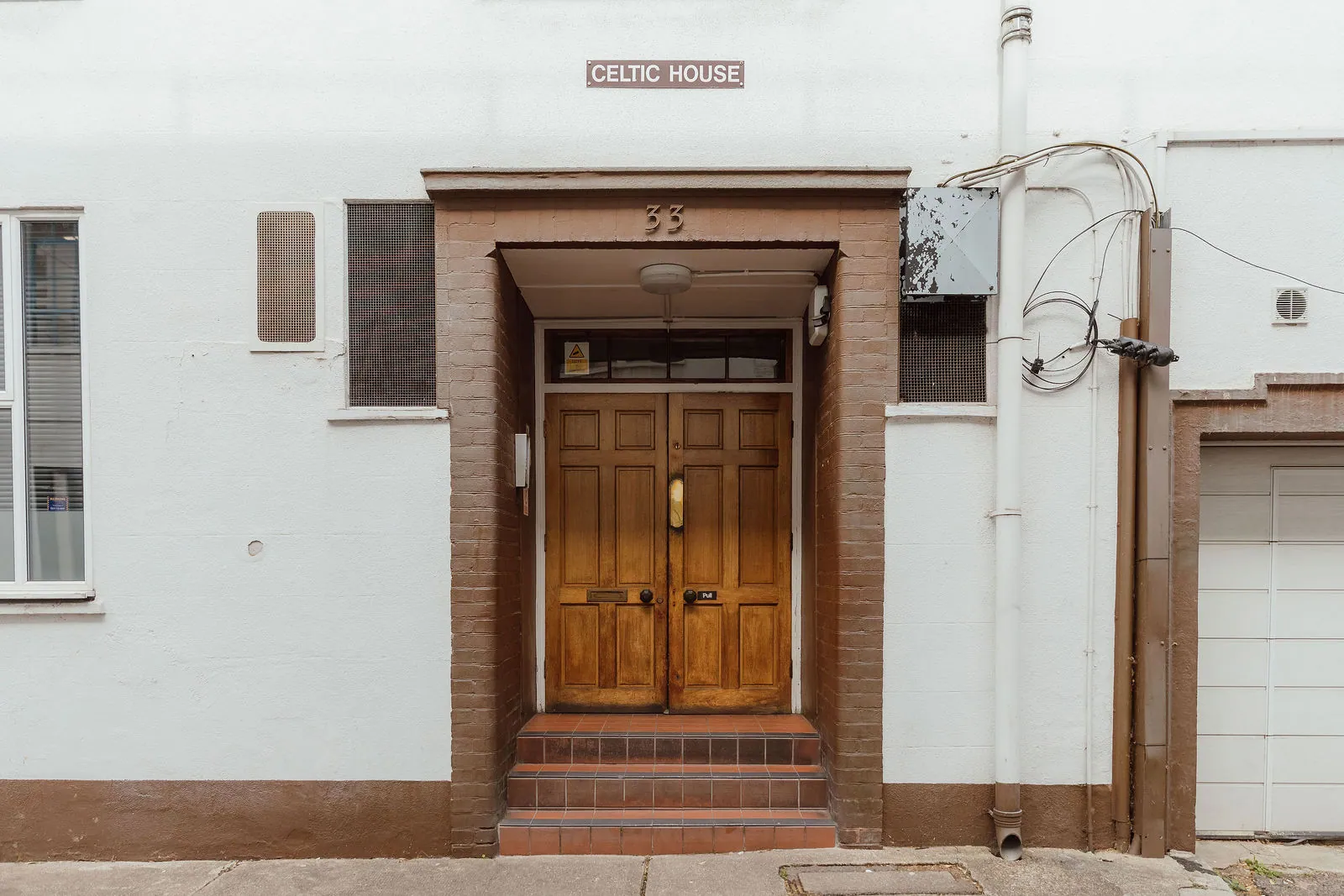
Celtic House is a white building with a wooden front door and tiled steps. Inside, there is an original brass cage lift beside the staircase.

Upstairs, the hub is a quiet, neuro-affirmative and trauma-informed space, designed to feel more like a living room than a clinical space. The lounge has a leather bench, paper lanterns, wooden ceiling beams and trailing plants. The consulting rooms have daylight from large windows and a sofa as well as chairs.
What happens in an ADHD assessment appointment?
The assessment is where the psychiatrist explores whether ADHD explains what you’ve been experiencing, through a careful, structured interview. For adults at MOAI, there are two appointments, in person at the Bloomsbury hub or by secure video.

The first appointment gathers your background and history. The second is with a psychiatrist, who uses a structured ADHD interview for adults called the DIVA-5. A psychiatrist is a medical doctor who specialises in mental health.
Across a thorough assessment, you can expect questions about:
- your childhood, school reports and how you got on in class
- work or study, and how you manage time, plans and deadlines
- home life, relationships and money
- your mental and physical health, past and present
- sleep, alcohol and anything else that can look like ADHD
The UK standard for adult ADHD assessments says the specialist should also check for other common mental health conditions. Anxiety, low mood and poor sleep can all affect focus, so a careful assessment looks at them too.
What is the DIVA-5?
The DIVA-5 is a structured interview used to assess ADHD in adults. The psychiatrist goes through each recognised sign of ADHD in turn, asking for everyday examples from childhood and from adult life.
Rather than a questionnaire you complete alone, it is a conversation, and the examples you share in your own words are an important part of the assessment.
How long does an ADHD assessment take?
Most adult ADHD assessments add up to at least two hours of direct time with a clinician. The UK quality standard recommends at least two hours in most cases, either in one long session or several shorter ones.
Services differ. One NHS adult service says its assessment takes between 90 minutes and 3 hours. Another describes a first appointment followed by a fuller diagnostic assessment. At MOAI, we’ll let you know on the free call how long each of the two appointments is, so you can plan your day around it.
How to prepare for your ADHD assessment
There’s nothing you need to revise, but a little preparation may help you share everything that matters, particularly if you find it hard to recall examples on the spot. The charity ADHD UK suggests writing down a few things beforehand.
- Your reasons. Why you think you might have ADHD, with real examples from work, study and home.
- Your childhood. Anything you remember, or that family have told you, about school and behaviour before age 12.
- Your health history. Other mental health concerns, past diagnoses and any medicines you take.
- Family history. Any ADHD, autism or mental health conditions you know of in the family.
- Paperwork. Old school reports, if you have them.
If you have no school reports or family to ask, that is fine. ADHD UK’s own FAQs say these help but are not essential. You can share with the psychiatrist whatever you have and whatever you remember.
Not sure yet whether to go ahead? Our ADHD self-check is six short questions. It is a screening tool, not a diagnostic tool, but it can help you put what you notice into words.
Is an ADHD assessment different for children?
Yes, a little. The steps are the same, but more of the information comes from parents, carers and school.
For a childhood ADHD assessment, questionnaires come from the parent, the child and the school. The appointment is with the child and parent together. A child and adolescent psychiatrist goes through early development and how the child gets on at home and at school, using a structured ADHD interview made for young people.
Children are welcome to bring toys or games, and it is fine for them to get up and move around. The NHS notes that a specialist will usually contact the school as part of a child’s assessment too.
What happens after an ADHD assessment?
You’ll receive a written report and recommended next steps, whatever the outcome. Towards the end of the appointment, the psychiatrist may share their initial thoughts, and you’ll have time to ask questions.
Before completing the report, they’ll discuss the findings with at least one other clinician to help ensure the assessment is carefully considered. The UK standard says a good report should give real examples of how the criteria are, or are not, met.
If you receive an ADHD diagnosis, your report will explain what support may help. Options may include medication, therapy, ADHD coaching or adjustments at work. If medication may be right for you, the psychiatrist will talk through the options with you, and you’ll agree together where to start.
If ADHD doesn’t explain what you’ve been experiencing, the report will set out what the psychiatrist found and the support that may help next.
After your assessment, we encourage you to share your report with your GP. If you start medication with us, we’ll work with you to find a stable dose before asking your GP to take over prescribing through a shared care agreement. Your GP will need to agree to this arrangement. If they’re unable to accept shared care, we can discuss arrangements for continued specialist prescribing and medication management with you.
What to do next
A diagnosis is a starting point, not an end in itself. Whatever the outcome, a careful assessment should leave you with a clearer picture and a plan.
Our adult ADHD assessment page sets out each step, so you can decide with the facts in front of you.
Frequently asked questions
What happens in an ADHD assessment?
A specialist talks with you in detail about your life now and your childhood, using a structured interview and questionnaires. They also look at your general mental and physical health and other things that can look like ADHD. You'll then receive a written report with the outcome and recommended next steps.
How long does an ADHD assessment take?
It varies between services. UK guidance for adult assessments suggests at least two hours of direct contact in most cases, sometimes split across more than one appointment. At MOAI the adult assessment is two appointments, and we tell you on the free call how long each one is.
Can someone come with me to my ADHD assessment?
Input from someone who knows you well, such as a partner, parent or close friend, often helps, because ADHD starts in childhood and shows up in different parts of life. Please let us know on the free call, and we can talk through how to include them.
What is the DIVA-5?
The DIVA-5 is a structured interview for ADHD in adults. The psychiatrist goes through each recognised sign of ADHD, asking for everyday examples from childhood and from adult life, and how those signs affect work, home and relationships.
Can I be diagnosed from a questionnaire or online self-check?
No. Questionnaires and self-checks are screening tools, not diagnostic tools. National guidance says ADHD should not be diagnosed from rating scales alone, and a full assessment with a suitably qualified specialist is needed.
What if the assessment shows I do not have ADHD?
You'll still receive a written report. It explains what the psychiatrist found and the support that may help next.
Keep reading
- Executive dysfunction: why everyday tasks can feel so hard A calm guide to executive dysfunction: what executive function is, why starting, organising and finishing tasks can feel so hard with ADHD, and what may help.
- How ADHD diagnosis works in the UK, step by step A plain, step by step guide to getting an ADHD diagnosis in the UK, for adults and for parents: who can diagnose, what they look for, and the routes to an assessment.
- What happens at an autism assessment? A plain guide for adults and parents A calm, step-by-step guide to what happens at an autism assessment for adults and for children and young people, including the tools clinicians use and what the written report covers.
Not sure which assessment may be right for you? Book a free call.
A free 15-minute phone call with one of our senior clinicians. We'll listen to what you've been experiencing, answer your questions and talk through your options with you, with no commitment.